
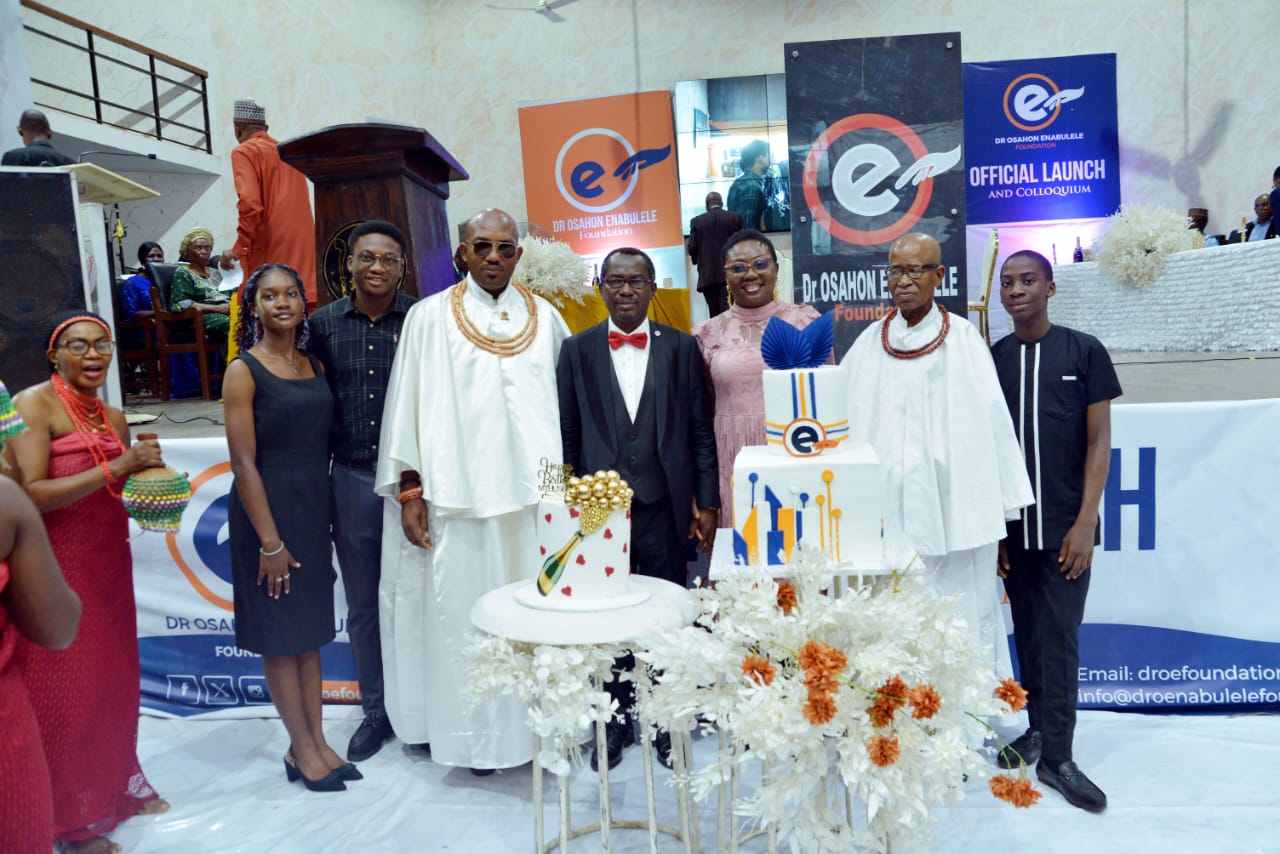
In his opening remarks, Dr. Osahon Enabulele emphasized that Nigeria’s current state demands proactive engagement rather than passive complaints. He stated that the Foundation’s establishment marks a transformative step towards improving leadership standards, enhancing service delivery, and promoting universal access to quality healthcare, education, and societal opportunities. “This initiative is not just a personal pursuit,” Dr. Enabulele explained. “It represents a collective mission that welcomes collaboration from well-meaning individuals committed to addressing Nigeria’s challenges, including healthcare access and quality education.” He further outlined the Foundation’s goals, which include empowering vulnerable groups, mentoring future leaders, and ensuring that communities benefit from targeted programs aimed at social and economic upliftment. Former Director General of the Nigerian Television Authority, Prof. Tonnie Iredia, raised critical concerns regarding electoral integrity. He called for an impartial electoral commission to address systemic flaws, suggesting that all general elections be conducted on the same day to enhance efficiency and transparency. Drawing comparisons with electoral successes in Ghana and South Africa, Prof. Iredia advocated for modernizing Nigeria’s electoral framework. He stressed the importance of resolving election disputes before candidates assume office to prevent governance crises. Highlighting the contradiction in allowing politically affiliated individuals to serve as electoral commissioners, he remarked, “Our constitution clearly states that those with partisan affiliations should not hold such positions, yet this remains a recurring issue. To ensure credible elections, we must establish a well-managed and transparent system that involves collective oversight.”Prof. Iredia warned that a flawed electoral process could undermine the legitimacy of winning candidates even before the elections take place, reinforcing the urgency of electoral reforms. Delivering the keynote address, Prof. Eghosa Osaghae urged Nigerians to embrace homegrown solutions to national issues, stressing that the country’s diversity should be seen as a strength rather than a weakness. He noted that while leadership problems are not unique to Nigeria, tackling them requires tailored approaches and active citizen participation.Expressing optimism about the country’s future, Prof. Osaghae emphasized that with the right leadership and public engagement, Nigeria can reach its full potential. In his lead presentation, Prof. Friday Okonofua, a distinguished Professor of Obstetrics and Gynaecology, discussed the need to achieve citizens’ health rights and universal health coverage. During a panel discussion moderated by former Edo State Commissioner for Justice, Barr. Osaghae Obayuwana, speakers encouraged Nigerians to remain hopeful about the country’s future. They emphasized that positive change is possible through collective action and a commitment to better governance. The launch of the Dr. Osahon Enabulele Foundation marks a significant step toward addressing Nigeria’s leadership crisis. By fostering collaboration, promoting accountability, and advocating for key reforms, the initiative aims to create a society where equitable opportunities and good governance thrive.